Perseid Meteor Shower
The Perseid Meteor Shower is a prolific annual meteor shower caused when Earth passes through the debris stream left by Comet 109P/Swift‑Tuttle. Active from mid‑July to late August, it peaks around August 12–13, producing up to ~50–100 meteors per hour under dark skies—many bright and fast enough to leave colorful wakes.
Source: science.nasa.gov
APODs including "Perseid Meteor Shower"
Milky Way and Exploding Meteor
12/08/2015
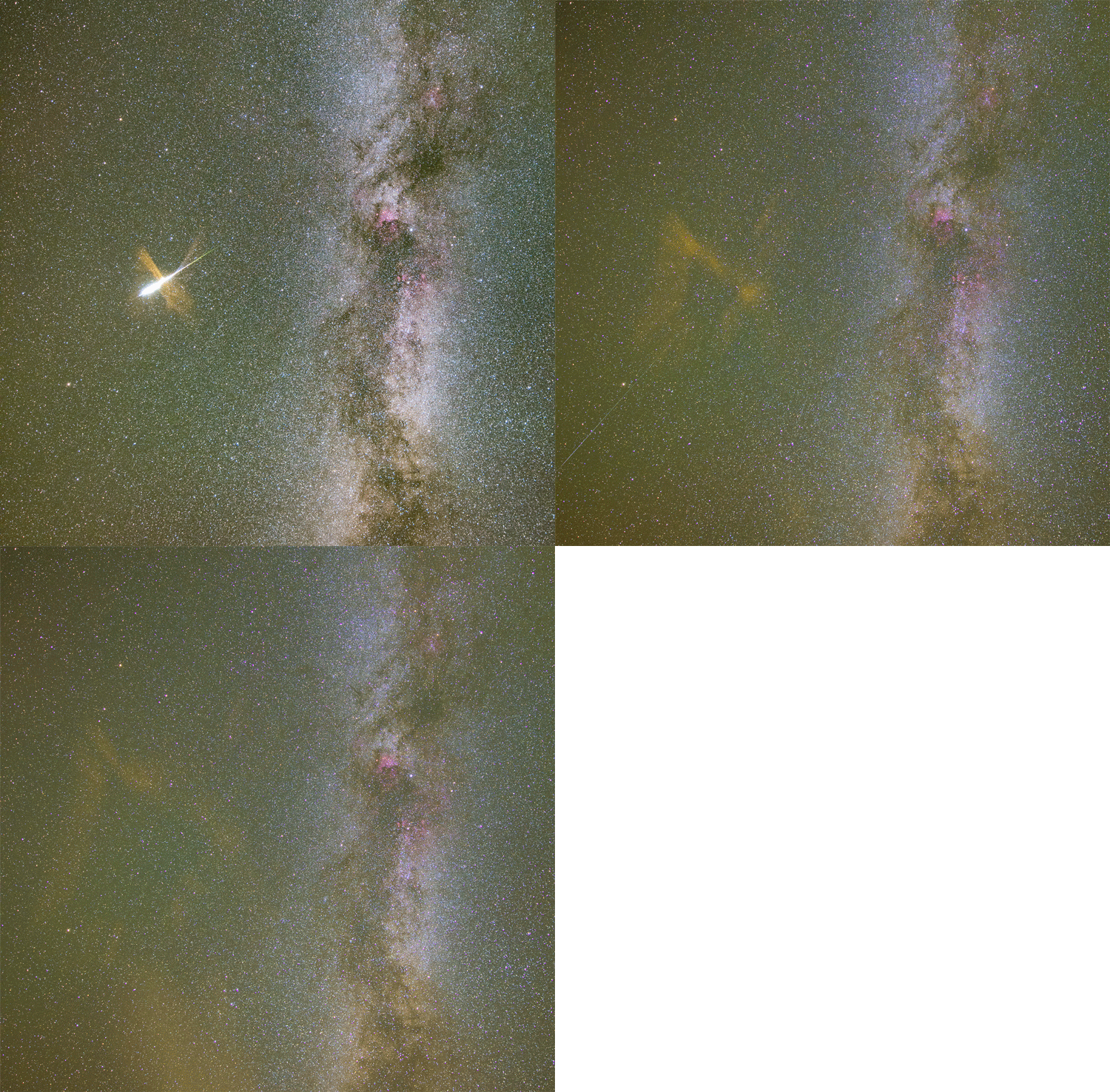
Tonight the Perseid Meteor Shower reaches its maximum. Grains of icy rock will streak across the sky as they evaporate during entry into Earth's atmosphere. These grains were shed from Comet Swift-Tuttle. The Perseids result from the annual crossing of the Earth through Comet Swift-Tuttle's orbit, and are typically the most active meteor shower of the year. Although it is hard to predict the level of activity in any meteor shower, in a clear dark sky an observer might see a meteor a minute. This year's Perseids occur just before a new Moon and so the relatively dark sky should make even faint meteors visible. Meteor showers in general are best be seen from a relaxing position, away from lights. Featured here is a meteor caught exploding two weeks ago above Austria next to the central band of our Milky Way Galaxy. Note: NASA TV to Host Perseid Meteor Shower Program