StellarSnap: Discover the Cosmos
Discover stunning daily space photography from NASA, explore interactive astronomy tools, and learn with our comprehensive space encyclopedia and glossary.
Today's Astronomy Picture from NASA
Where Your Elements Came From
14 September 2026
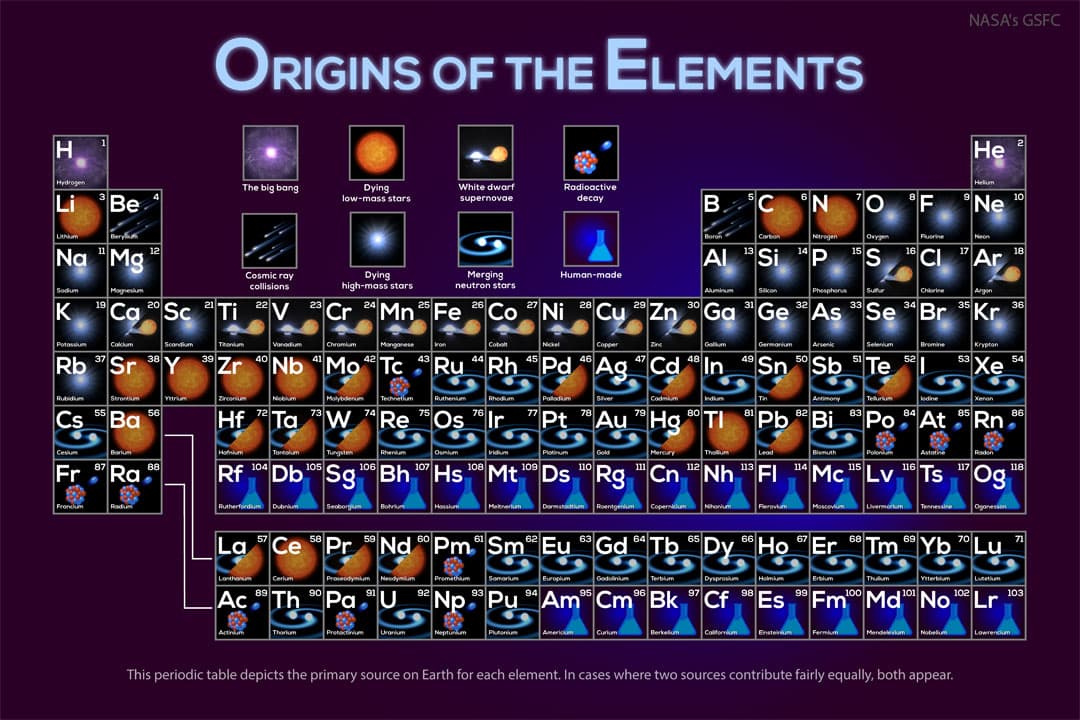
The hydrogen in your body and present in every molecule of water came from the Big Bang. There are no other appreciable sources of hydrogen in the universe. The carbon in your body was made by nuclear fusion in the interior of stars, as was the oxygen. Much of the iron in your body was made during supernovas of stars that occurred long ago and far away. The gold in your jewelry was likely made from neutron stars during collisions that may have been visible as short-duration gamma-ray bursts or gravitational wave events. Elements like phosphorus and copper are present in our bodies in only small amounts but are essential to the functioning of all known life. The featured periodic table is color coded to indicate humanity's best guess as to the nuclear origin of all known elements. The sites of nuclear creation of some elements, such as copper, are not really well known and are continuing topics of observational and computational research. APOD's main NASA site is moving: From apod.nasa.gov to science.nasa.gov/apod
Recent APODs (Last 14 Days)
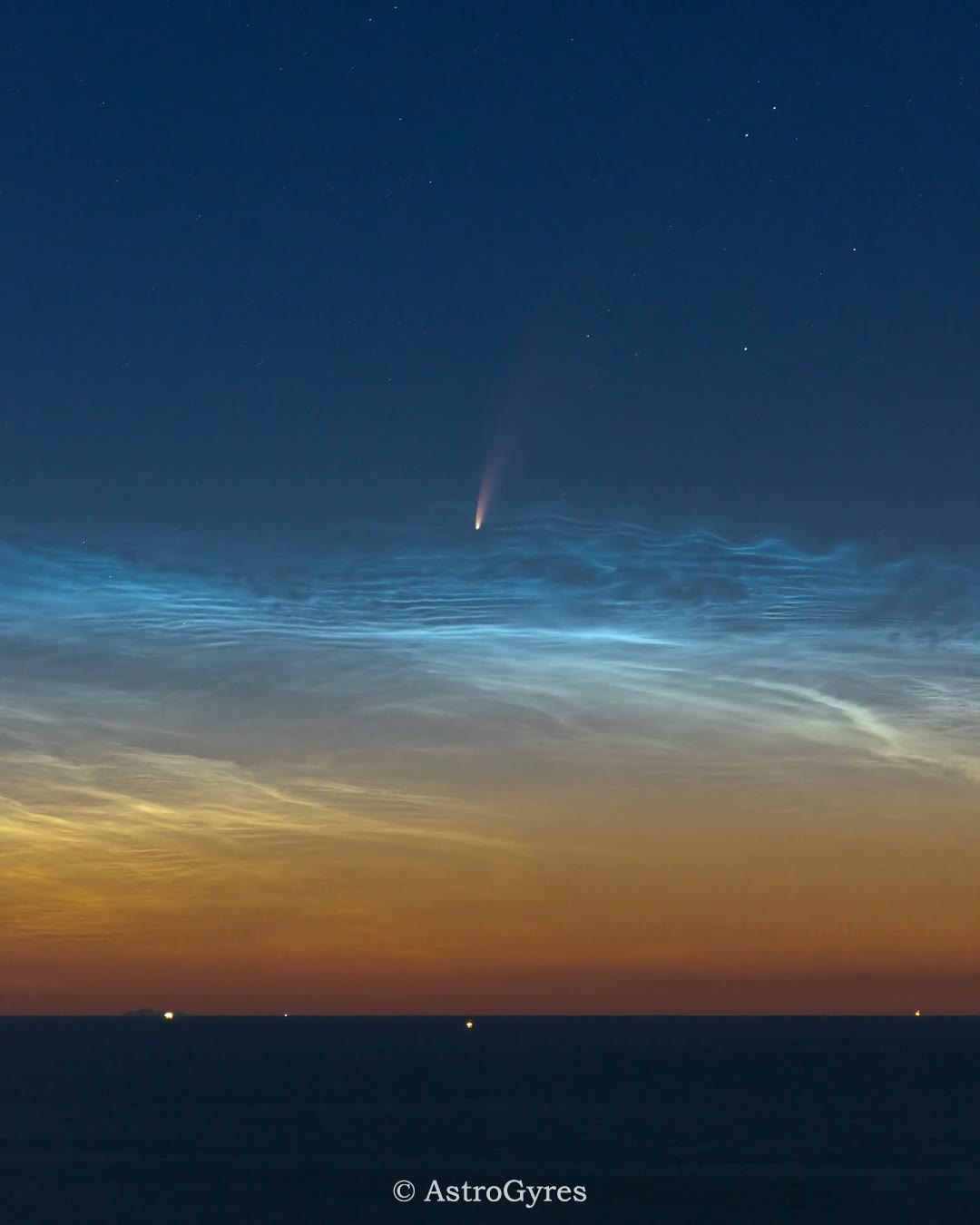
Comet NEOWISE Rising over the Adriatic Sea
13 September 2026
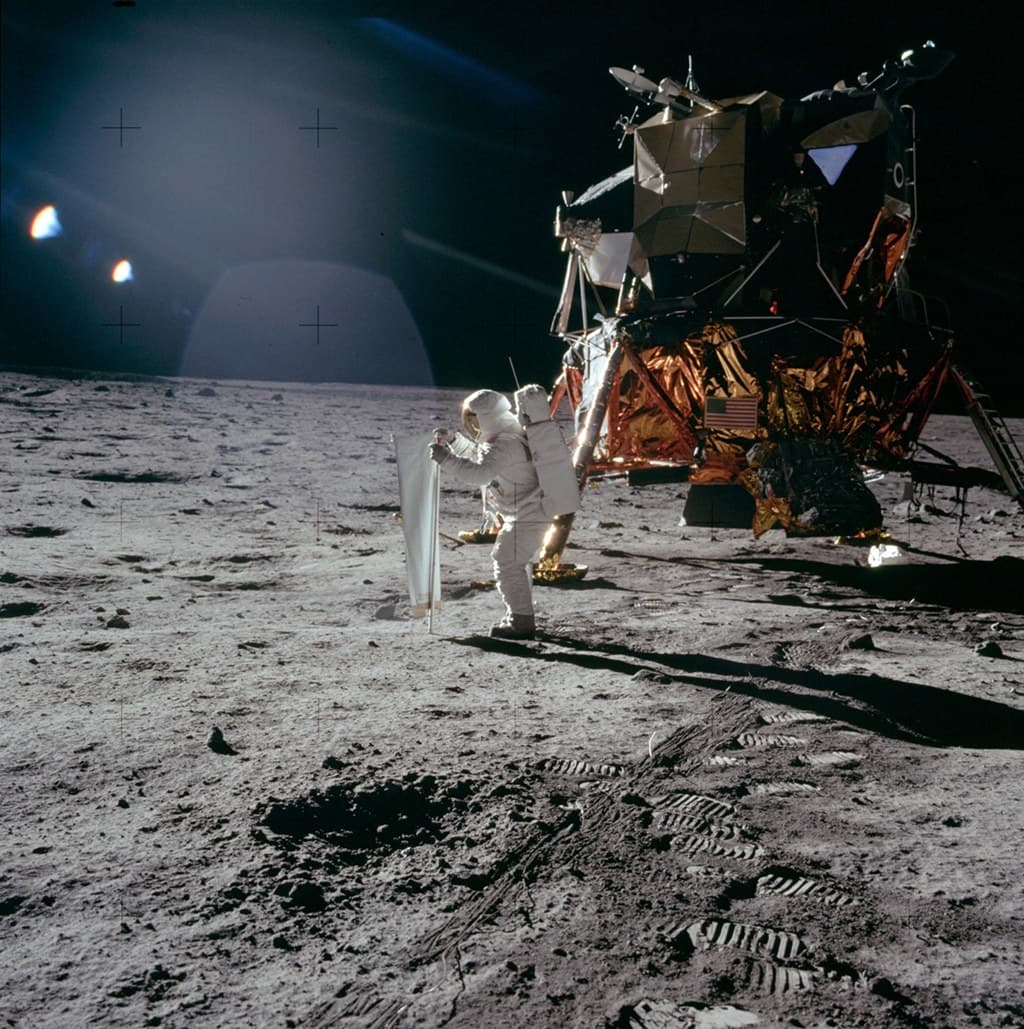
Apollo 11: Catching Some Sun
12 September 2026
M83: The Southern Pinwheel

11 September 2026
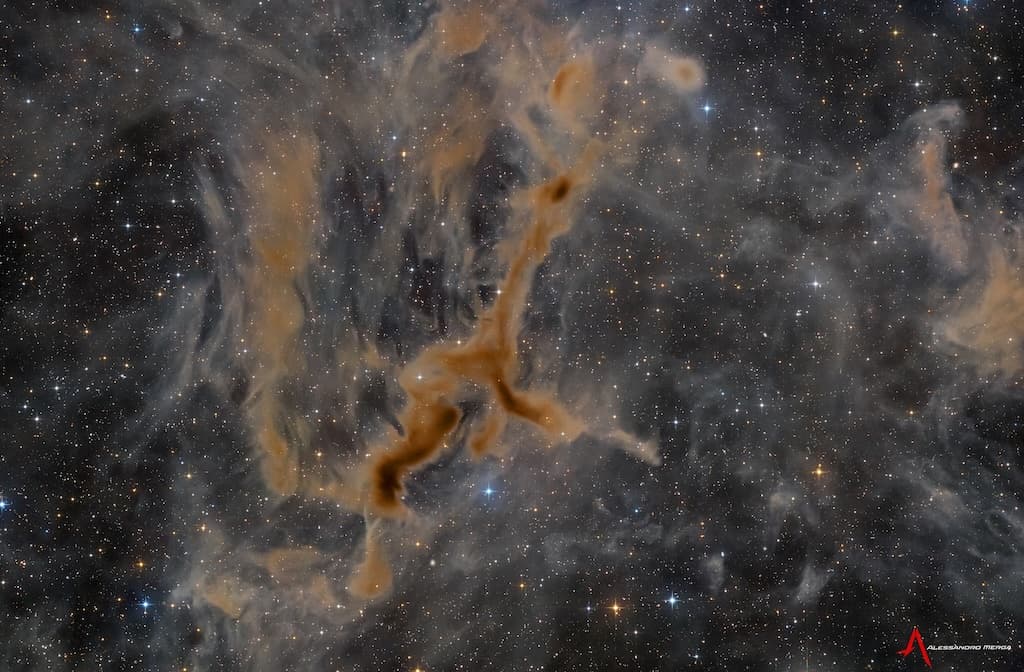
LDN 1295: The Giraffe Nebula
10 September 2026
Witness XZ Andromedae Wink
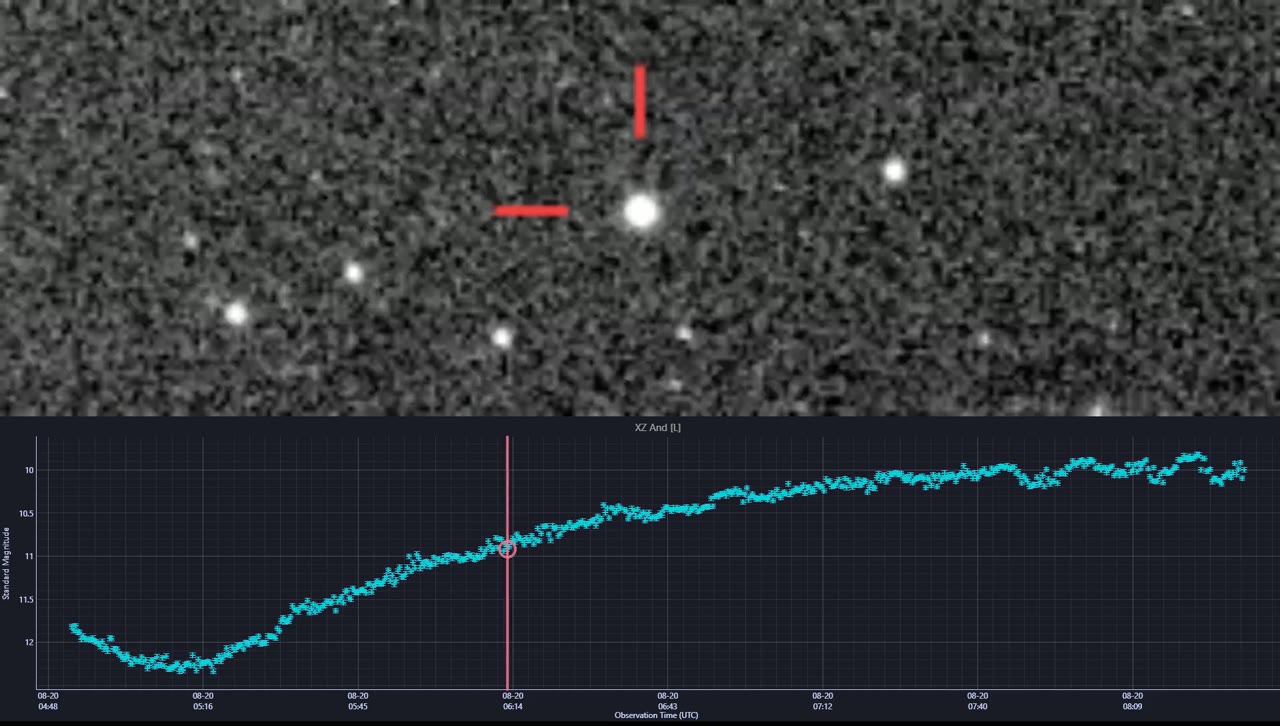
9 September 2026
Hubble: Decagon Around Saturn's South Pole
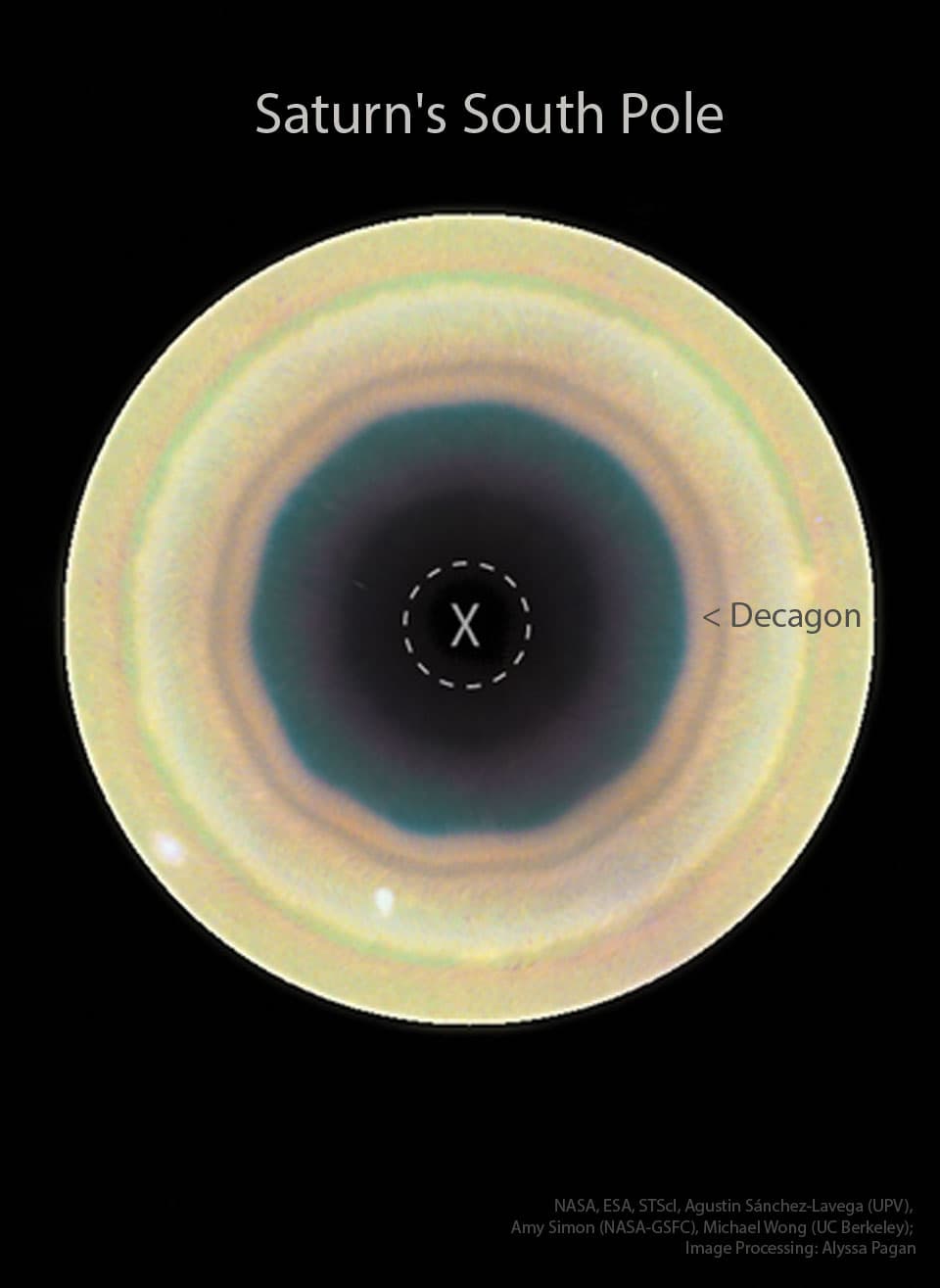
8 September 2026
The Pelican Nebula in Gas, Dust, and Stars
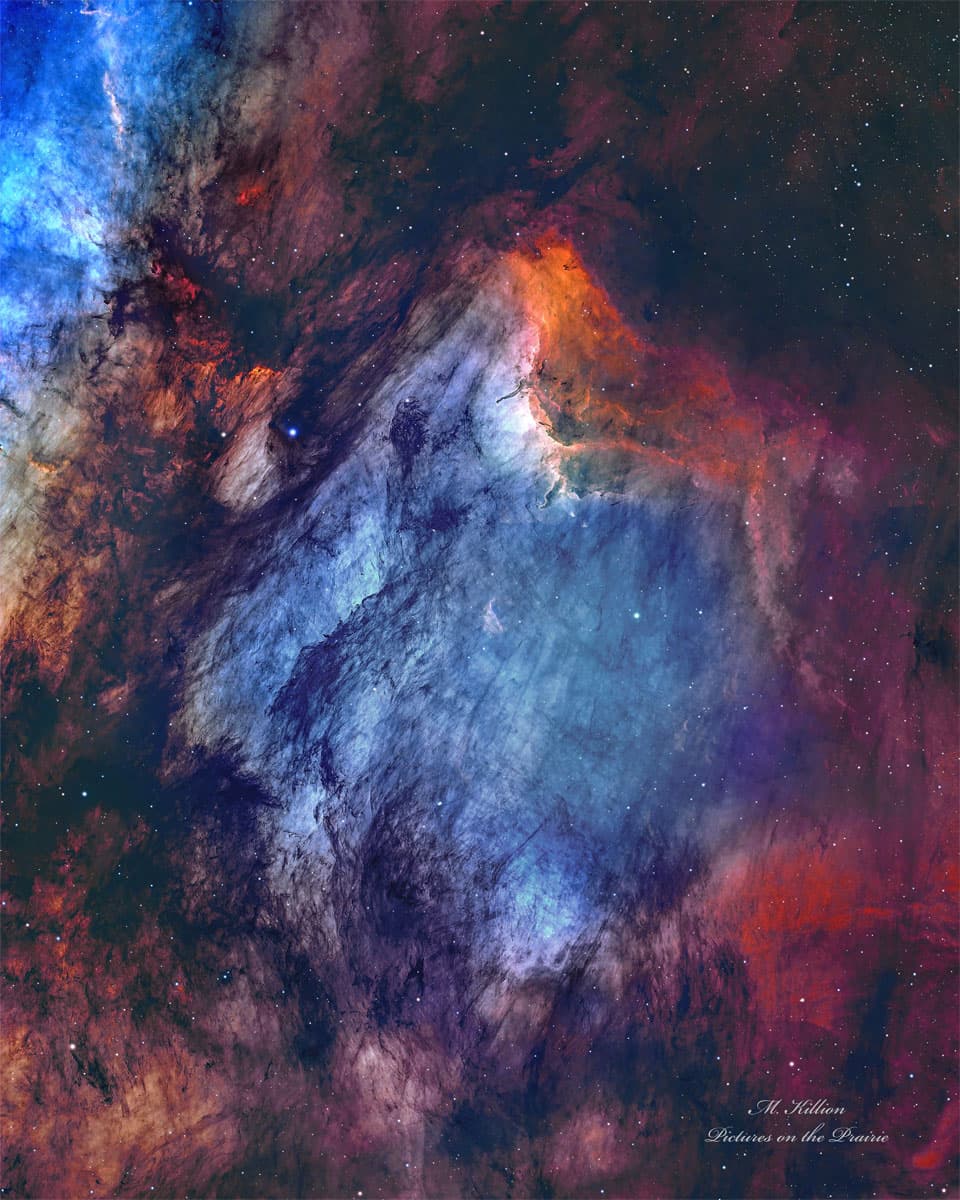
7 September 2026
Pluto in Enhanced Color
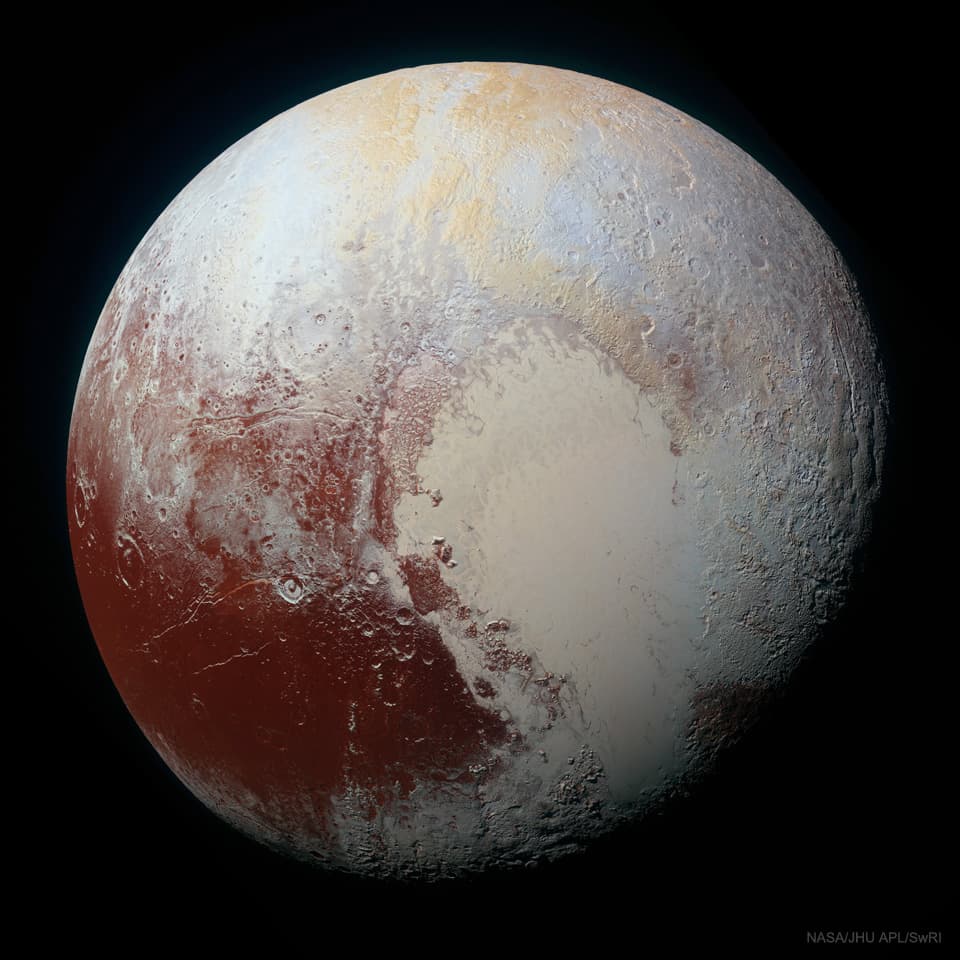
6 September 2026
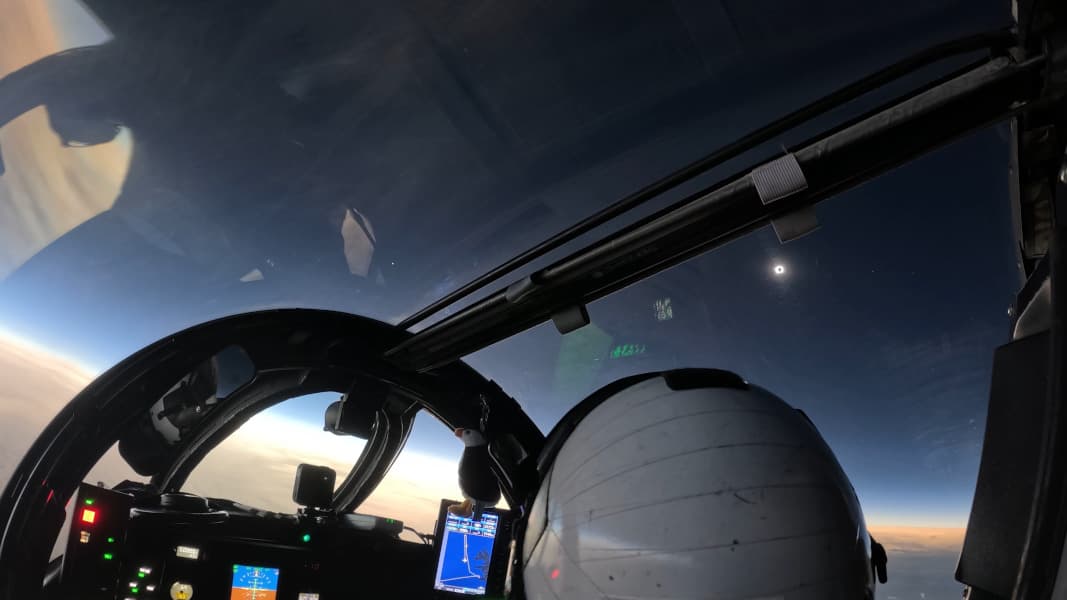
Chasing the Moon's Shadow
5 September 2026
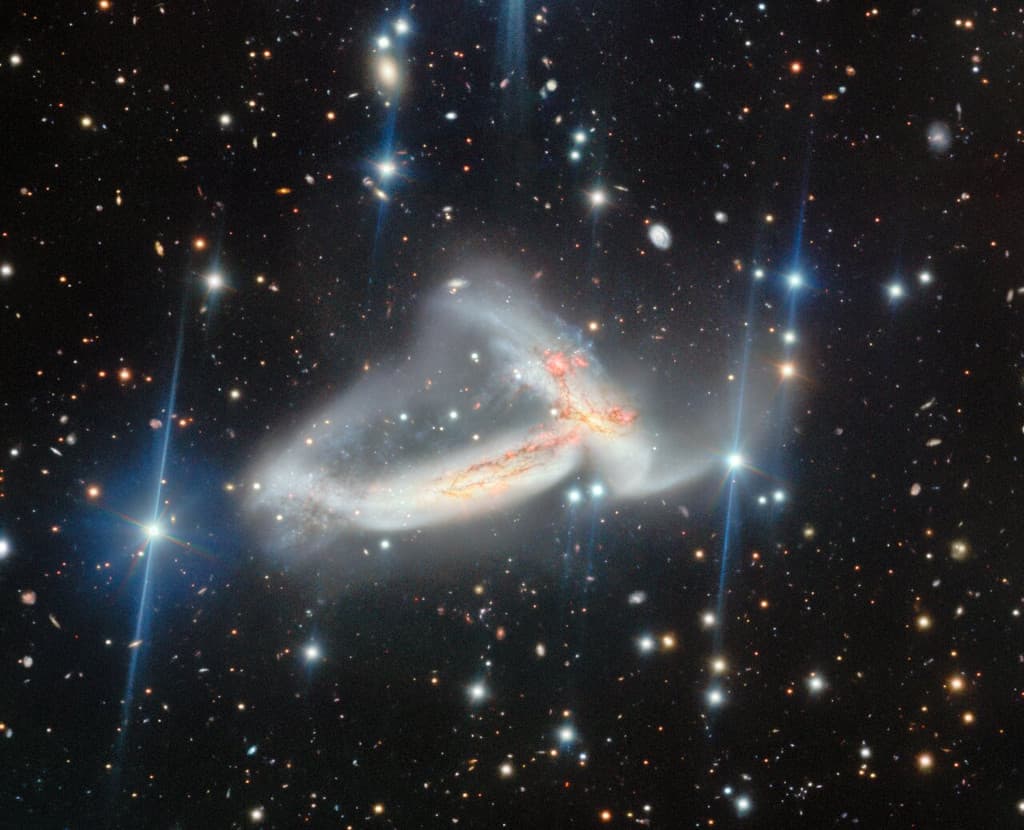
Nā ʻUhane Māhoe Huki Pū i ke Ola
4 September 2026
The Eclipse and the Stork

3 September 2026
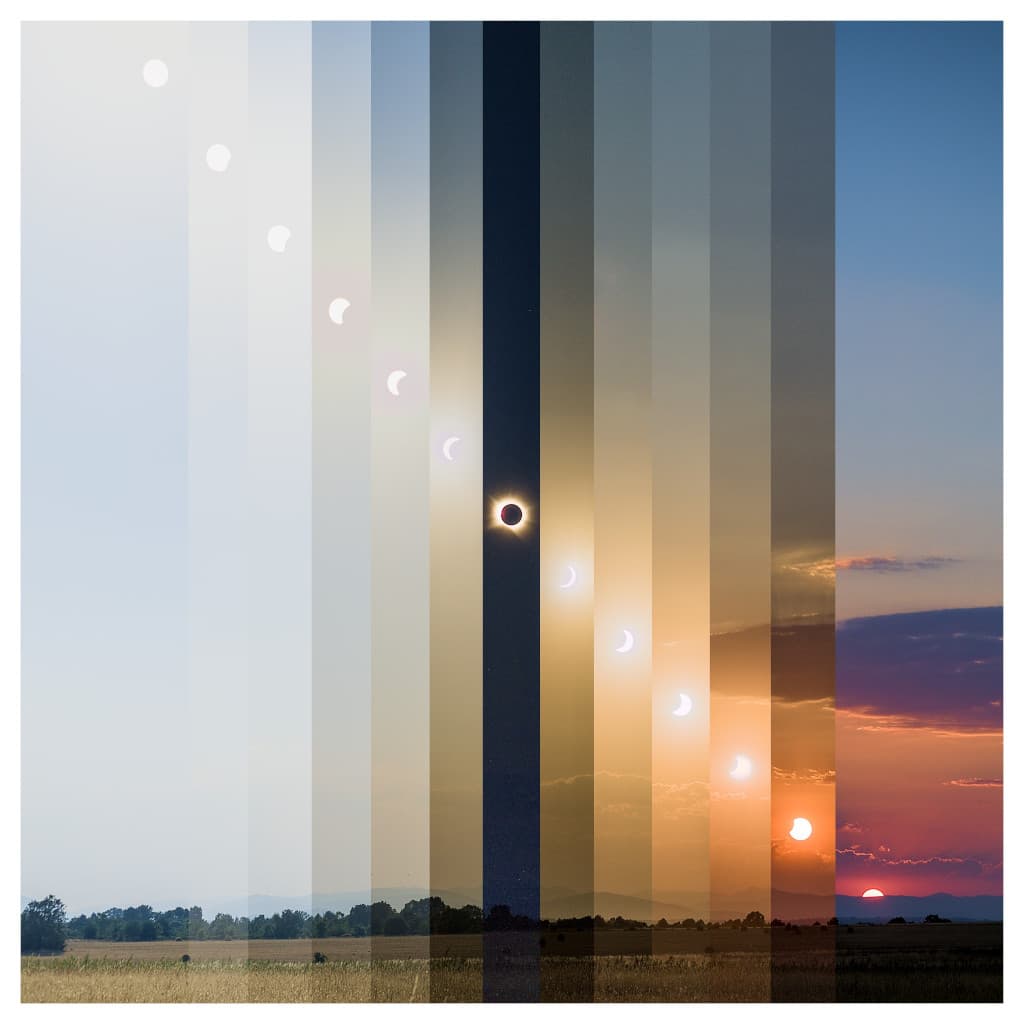
Solar Eclipses and Culture
2 September 2026
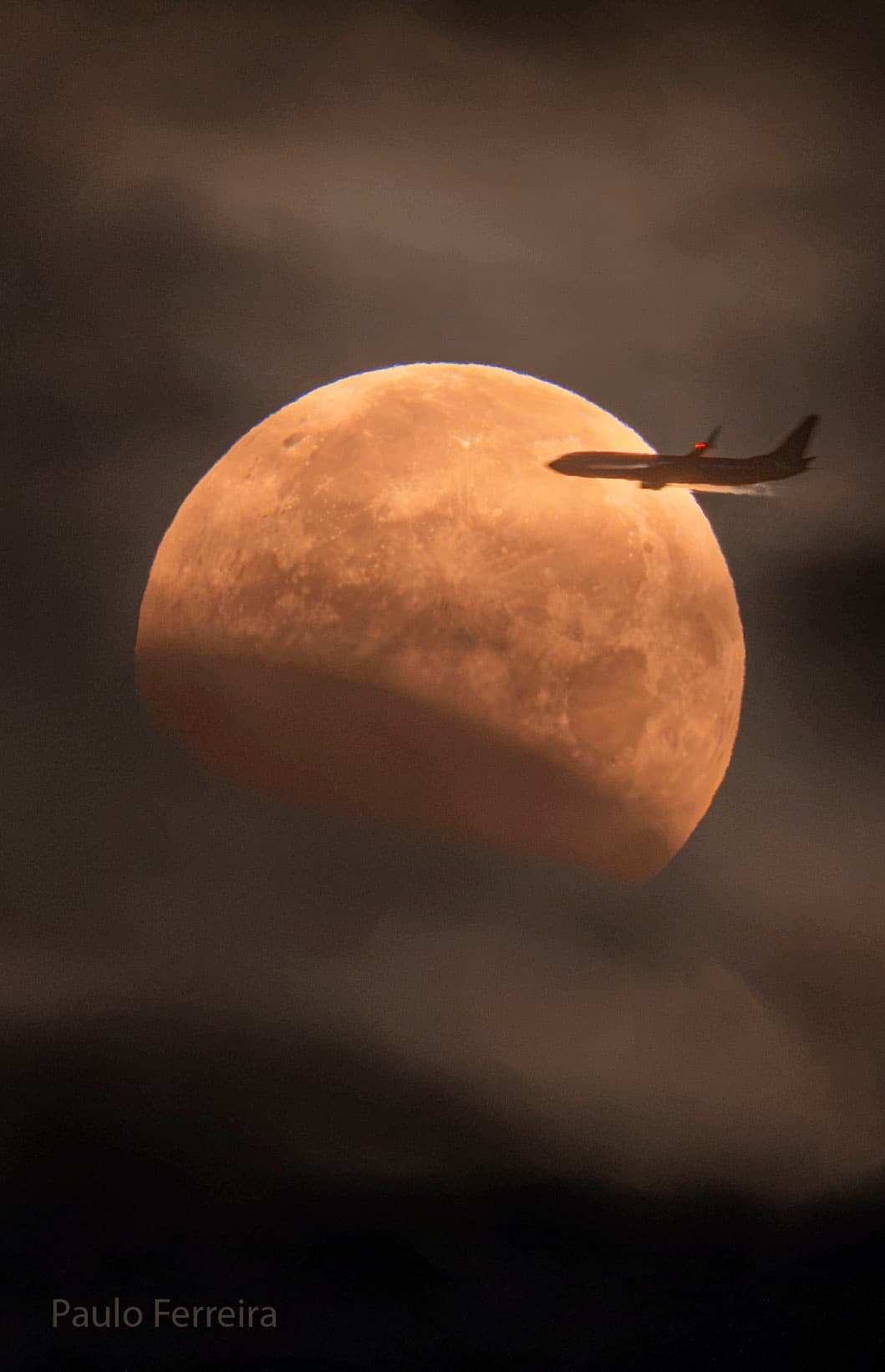
A Plane Lunar Eclipse
1 September 2026
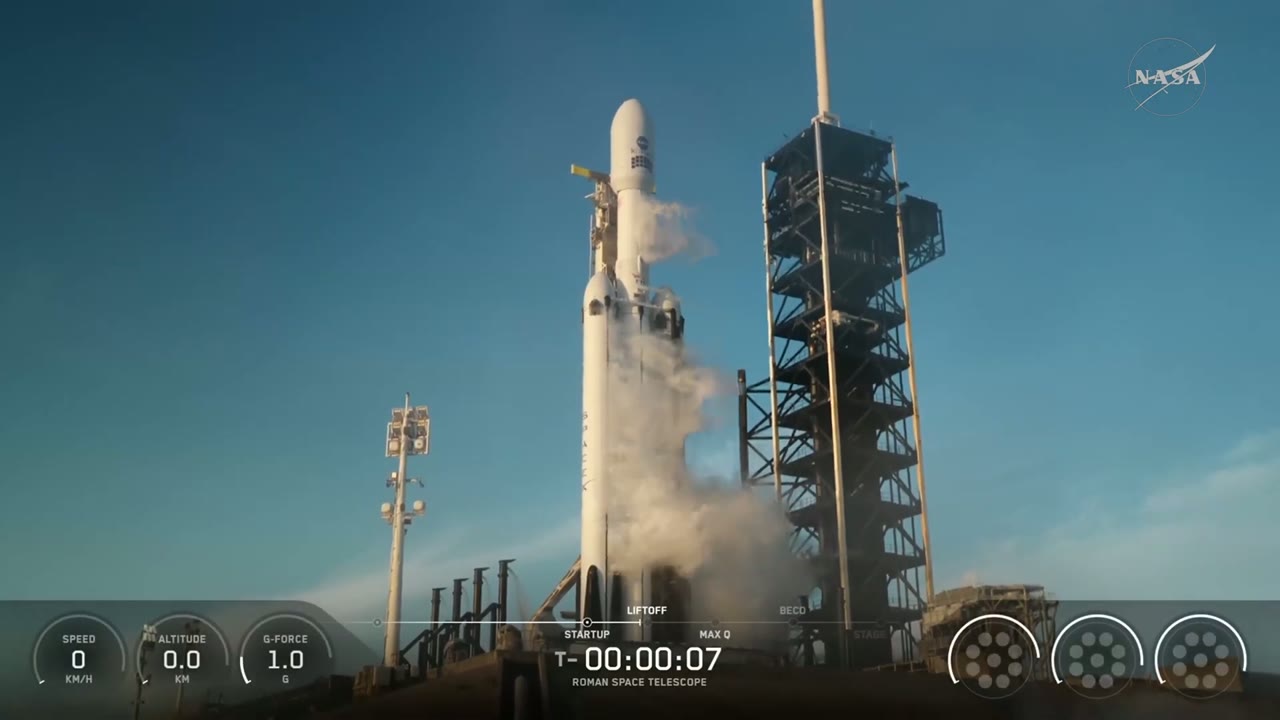
Launch of the Roman Space Telescope
31 August 2026