The Moon
The Moon is Earth’s only natural satellite—a rocky, cratered body about one‑quarter the diameter of Earth, orbiting at an average distance of approximately 384,400 km. It influences tides, stabilizes Earth’s axial tilt, and was formed about 4.5 billion years ago following a collision between Earth and a Mars-sized object.
Source: science.nasa.gov
APODs including "The Moon"
Lunar View, Solar Eclipse
31/08/2017
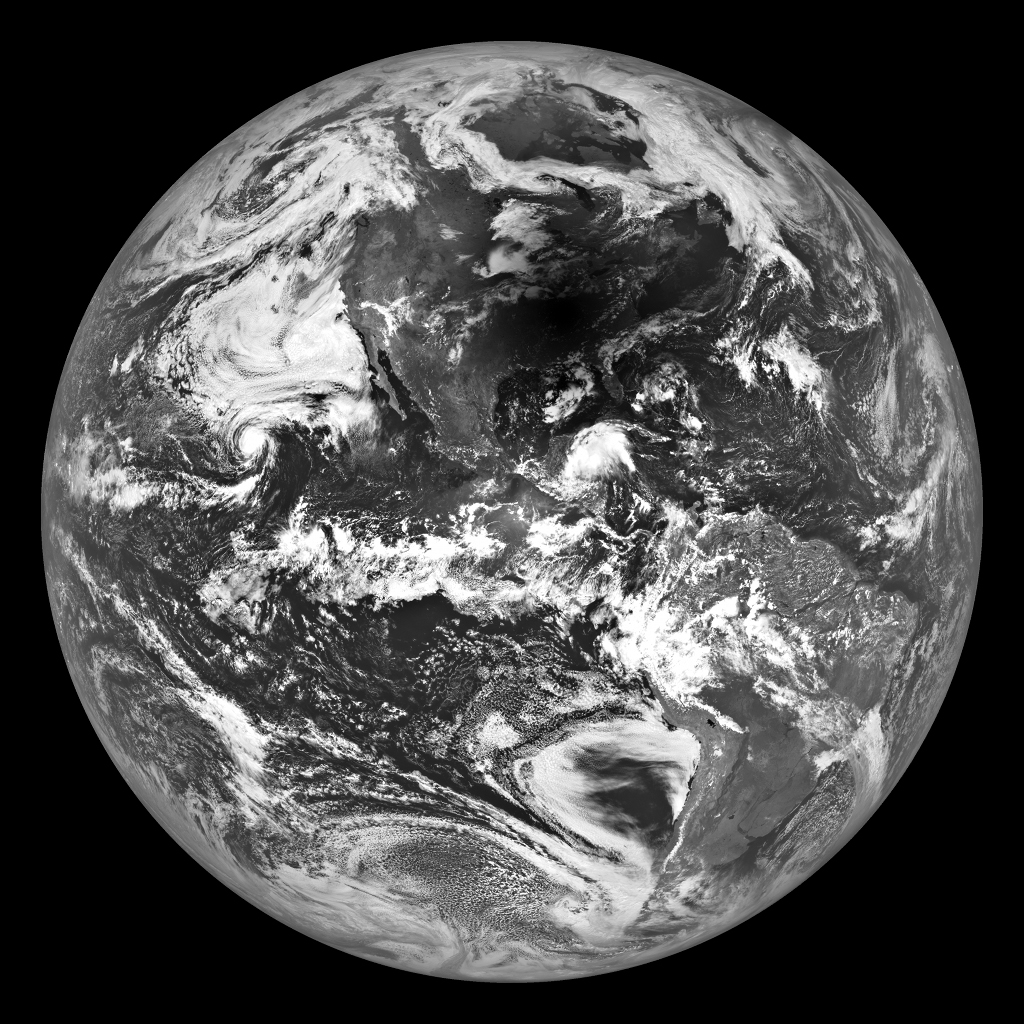
Swinging around the lunar nearside on August 21, the Lunar Reconnaissance Orbiter turned to look back on a bright, Full Earth. As anticipated its Narrow Angle Camera scanned this sharp view of our fair planet, catching the shadow of the Moon racing along a path across the United States at about 1,500 miles per hour. In fact, the dark lunar shadow is centered over Hopkinsville, Kentucky at 1:25:30pm Central Daylight Time. From there, the New Moon blocked the Sun high in clear skies for about 2 minutes and 40 seconds in a total solar eclipse.