Big Bang
The Big Bang theory describes the universe's origin from an extremely hot, dense state around 13.8 billion years ago, followed by rapid expansion and cooling that continues to this day.
During the first fraction of a second—an era called inflation—the universe expanded exponentially, smoothing and flattening space. After inflation ended, the universe consisted of a highly energetic plasma of particles and radiation.
Within minutes, protons and neutrons combined to form light elements (hydrogen, helium, deuterium, and small amounts of lithium) in a process known as Big Bang nucleosynthesis.
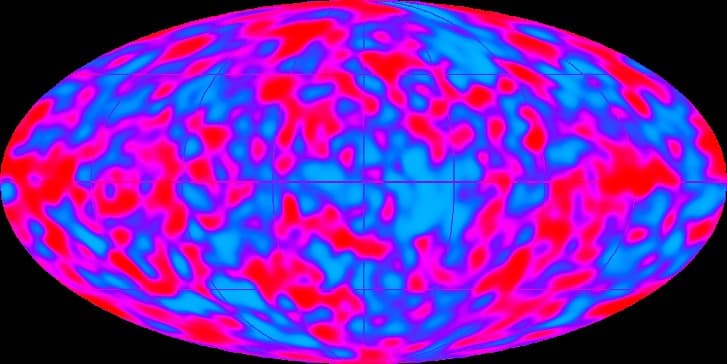
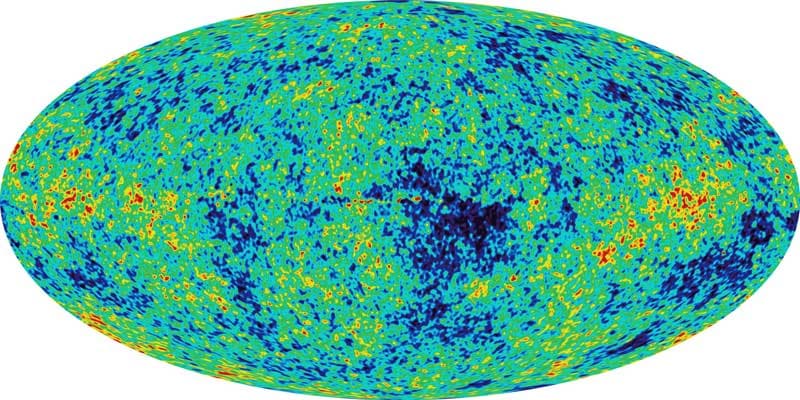
About 380,000 years after the Big Bang, the universe cooled enough for electrons and nuclei to combine into neutral atoms. This allowed photons to travel freely, producing the Cosmic Microwave Background—the oldest light we can observe.
Over time, gravity amplified slight density variations in the plasma, leading to the formation of stars, galaxies, and large-scale structures.
Key evidence supporting the Big Bang includes the expansion of space (observed via galaxy redshifts), the abundance of light elements, and the precise measurements of the Cosmic Microwave Background by missions such as COBE, WMAP, and Planck.
Modern cosmological models (ΛCDM) incorporate dark matter and dark energy, explaining current observations of cosmic acceleration, geometry, and composition.
Sources
APODs including "Big Bang"
Where Your Elements Came From
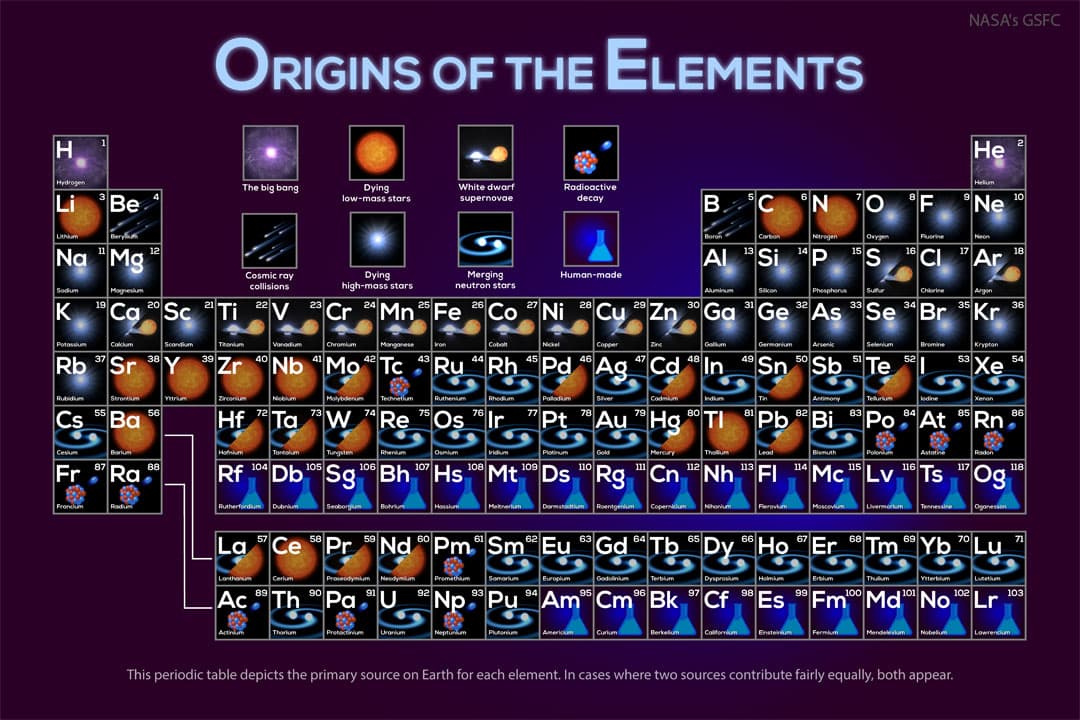
14 September 2026
Time Spiral
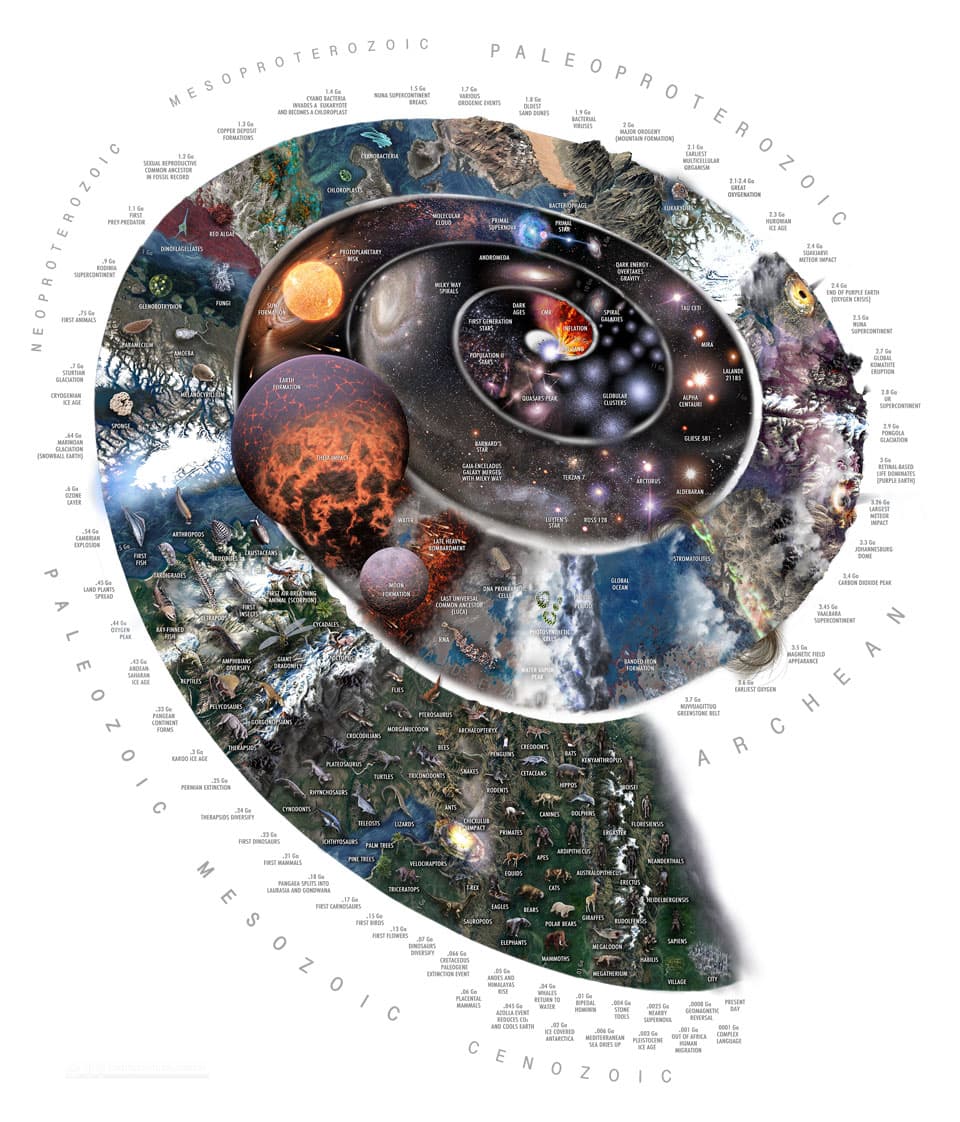
1 July 2024
JADES-GS-z14-0: A New Farthest Object
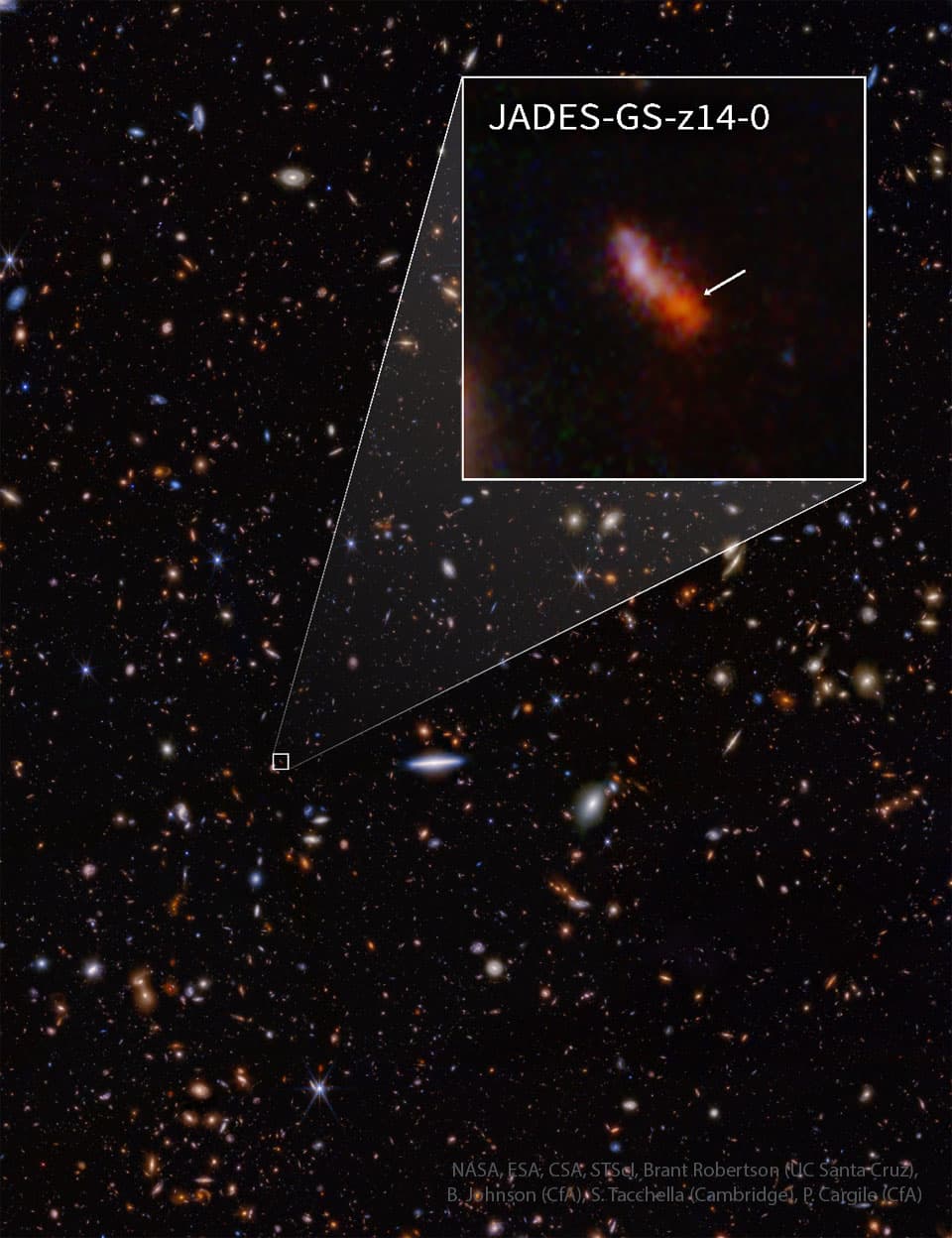
24 June 2024
Illustris: A Simulation of the Universe
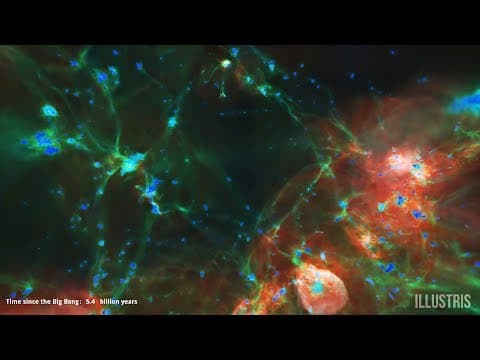
31 December 2023
MACS0647: Gravitational Lensing of the Early Universe by Webb
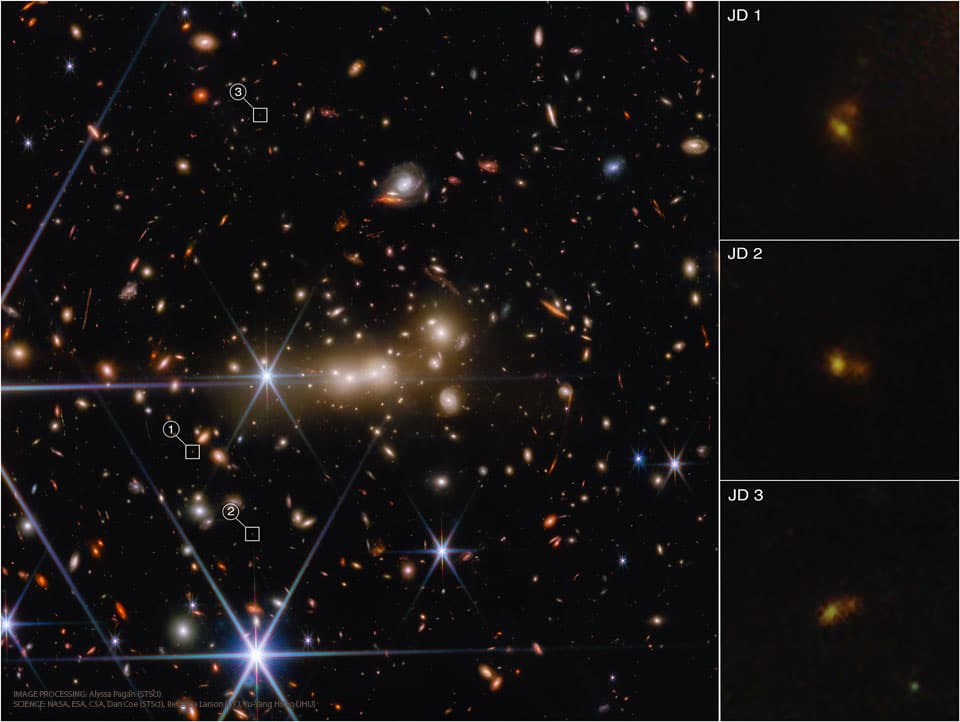
18 January 2023
Where Your Elements Came From
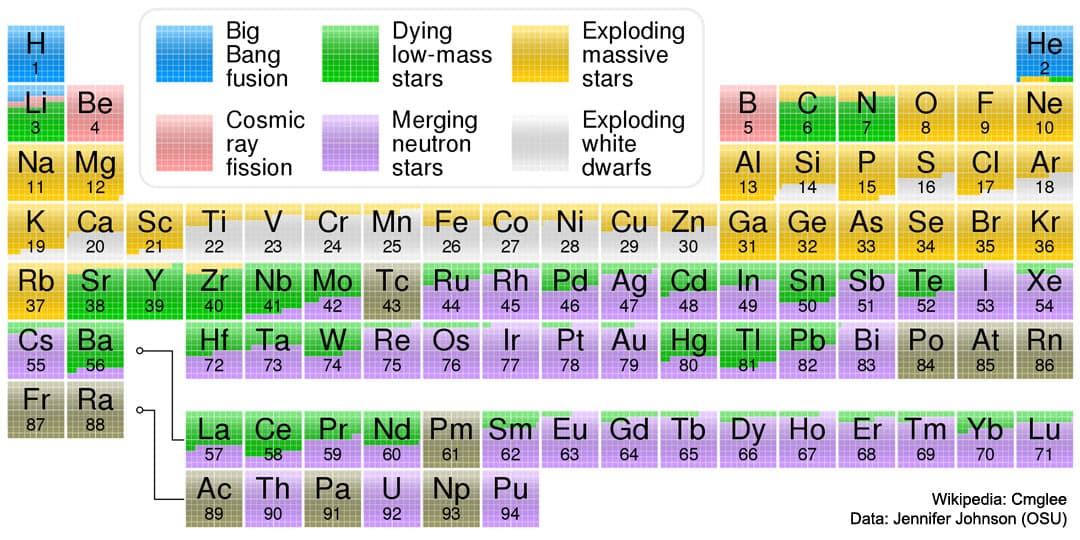
8 January 2023
Illustration: An Early Quasar
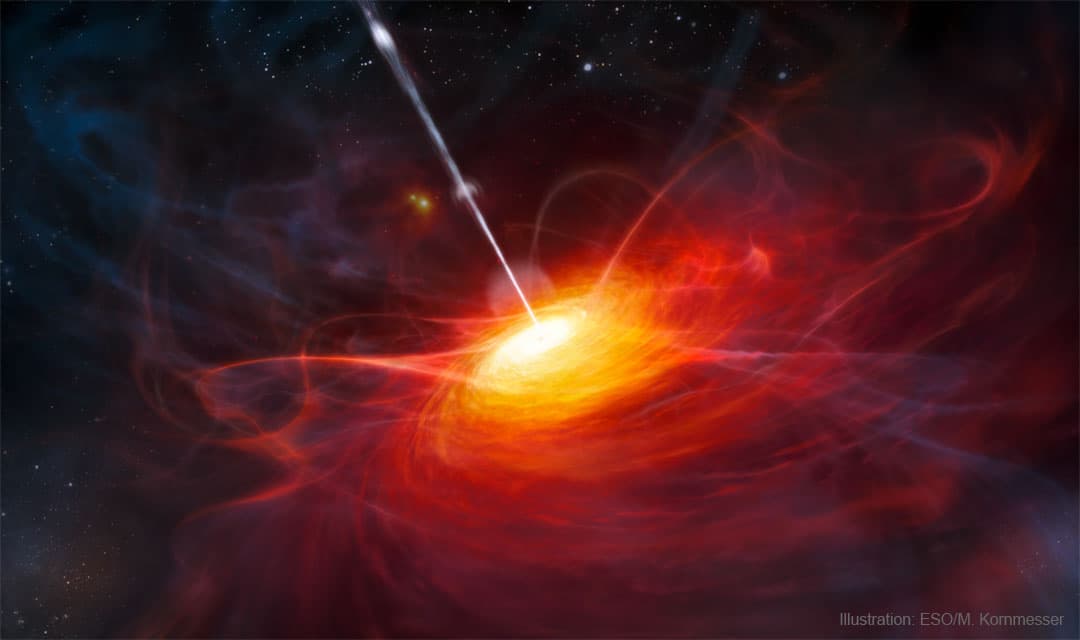
22 February 2022
Simulation: Formation of the First Stars
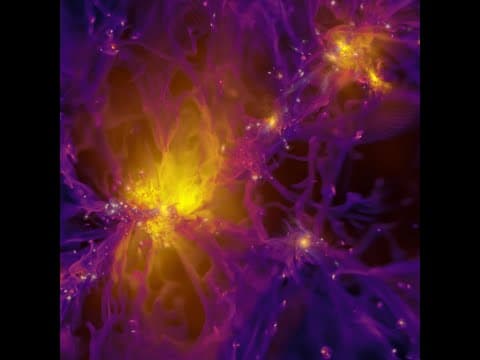
30 June 2021
The Origin of Elements
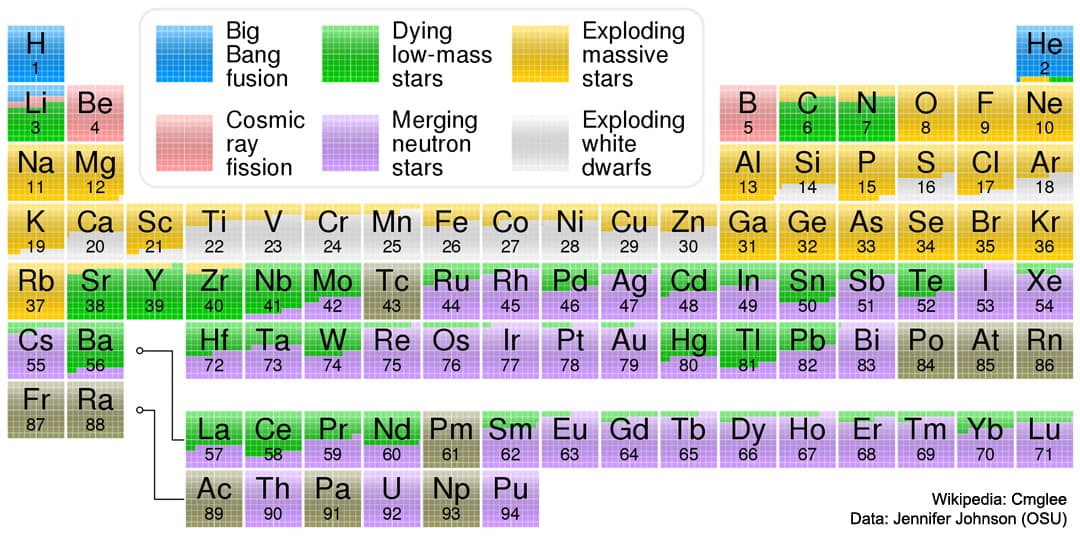
9 August 2020
Illustris Simulation of the Universe
23 February 2020
Our Story in One Minute
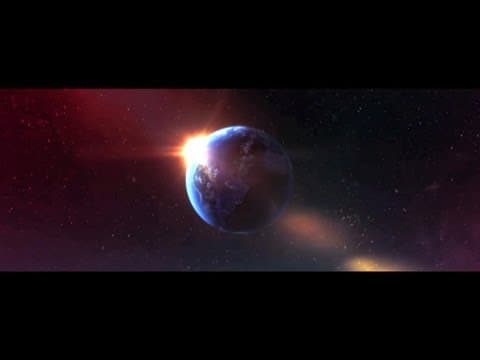
26 November 2017
Where Your Elements Came From
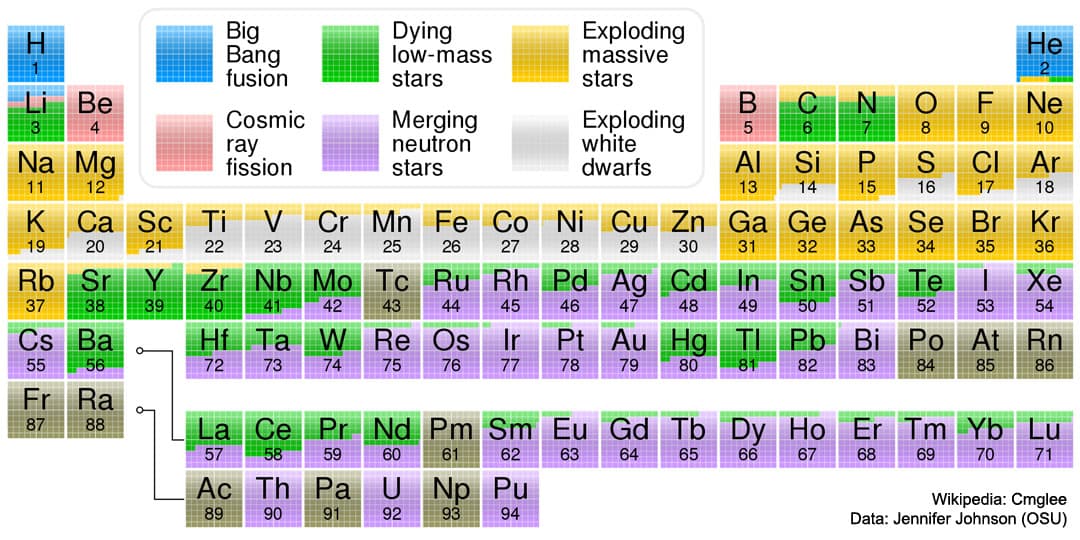
24 October 2017
Galaxy Evolution Tracking Animation
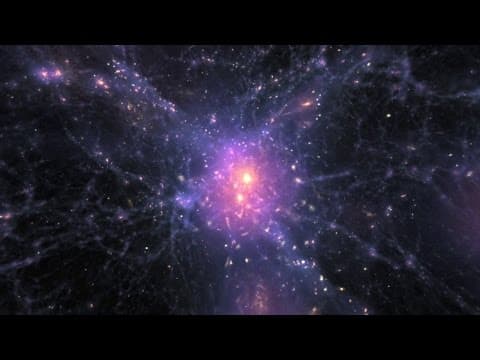
30 May 2016
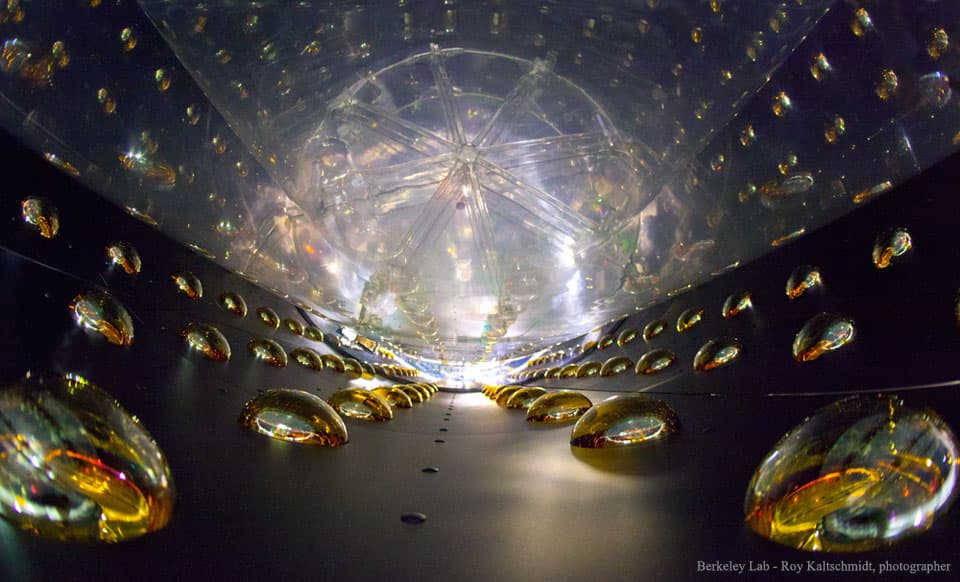
Inside a Daya Bay Antineutrino Detector
23 May 2016
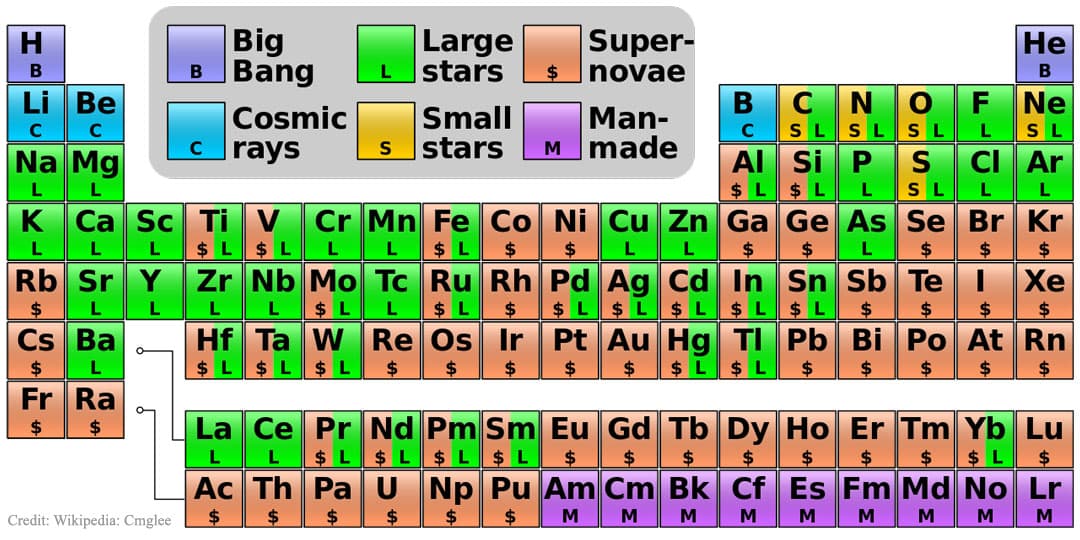
Where Your Elements Came From
25 January 2016
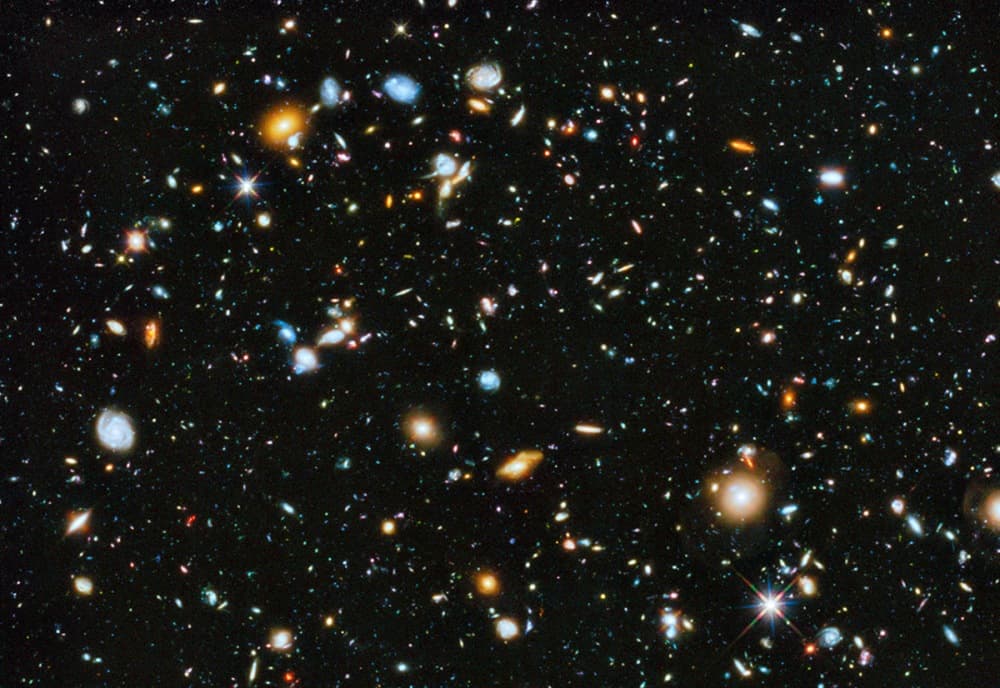
Hubble Ultra Deep Field 2014
5 June 2014
Illustris Simulation of the Universe
12 May 2014
Our Story in One Minute
14 November 2012
A Hole in Mars

18 July 2012
Simulation: A Disk Galaxy Forms
17 July 2012
Caught in the Afterglow
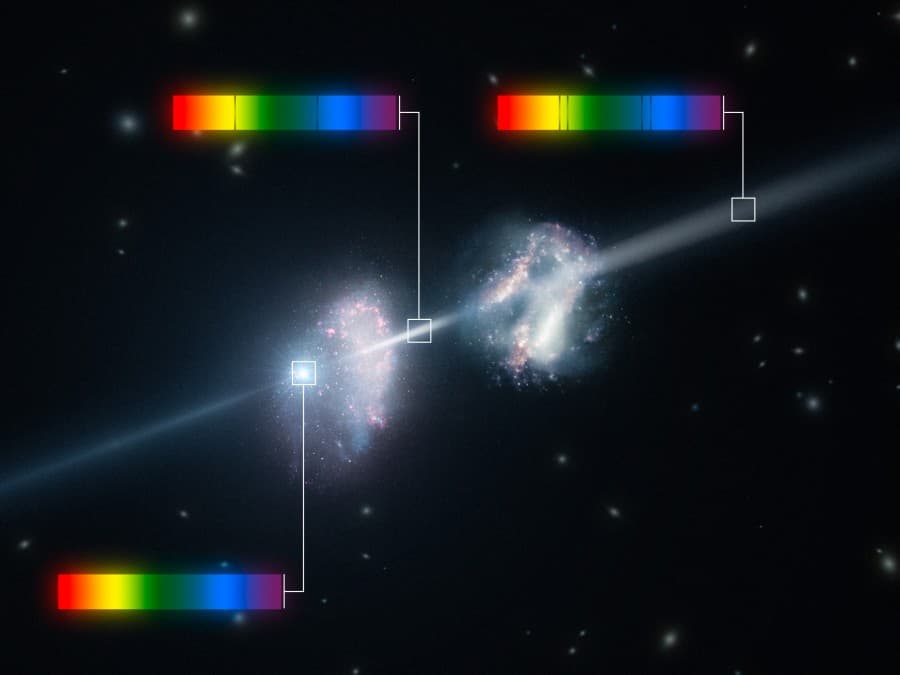
24 November 2011
SDSS J102915+172927: A Star That Should Not Exist
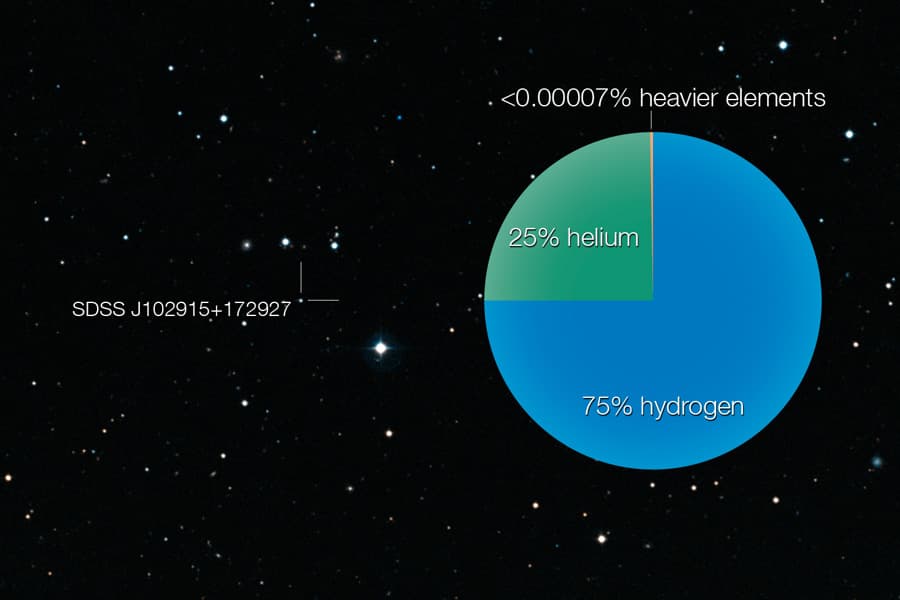
7 September 2011
Microwave Milky Way
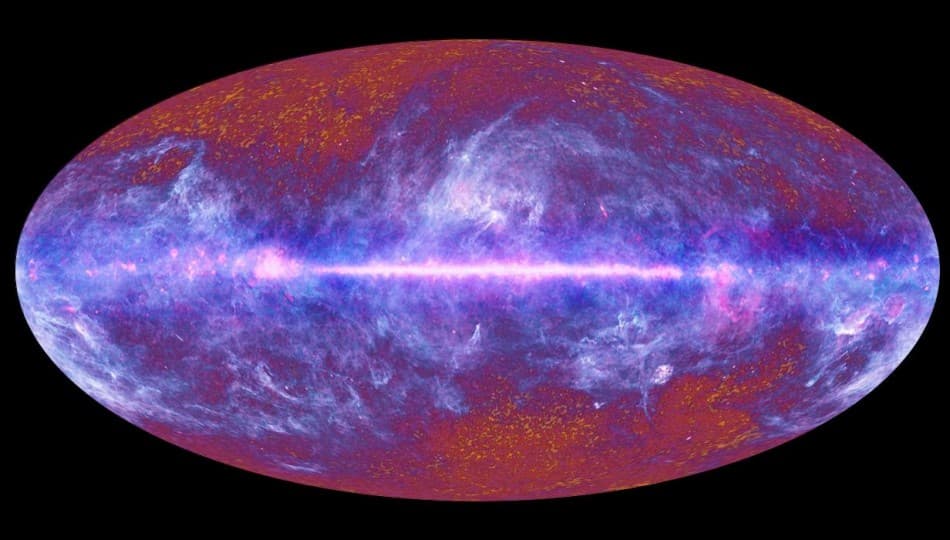
9 July 2010
GRB 090423: The Farthest Explosion Yet Measured
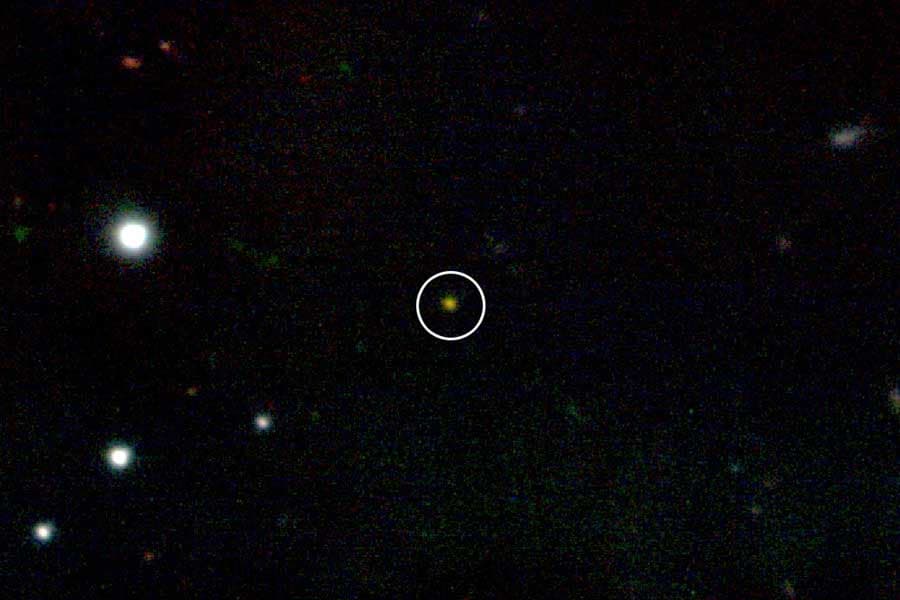
29 April 2009
Will the Universe End in a Big Rip?

21 October 2007
COBE All-Sky Map
7 October 2006
WMAP Resolves the Universe
25 September 2005
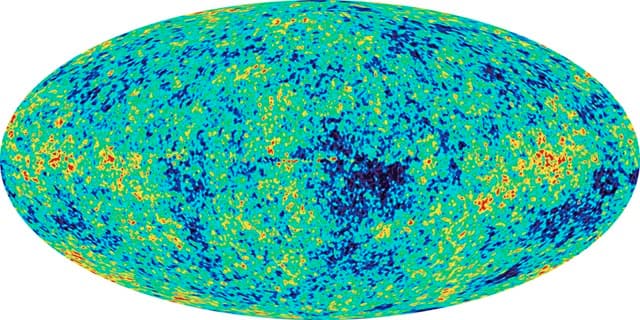
WMAP Resolves the Universe
11 July 2004
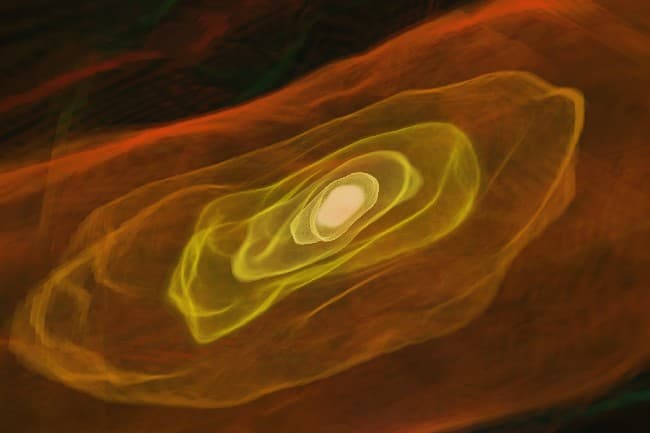
Zooming in on the First Stars
10 June 2003
Will the Universe End in a Big Rip?

3 March 2003