The Sun
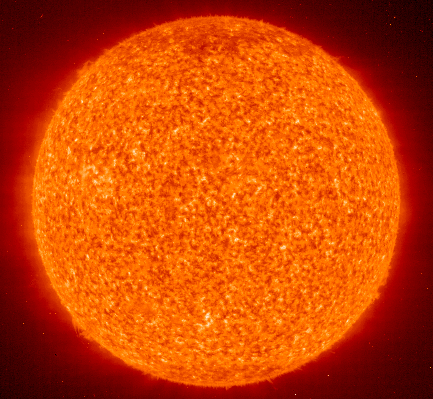
The Sun is a yellow dwarf star (G2V), about 4.6 billion years old, and the dominant gravitational force in the Solar System. It has a diameter of roughly 1.4 million kilometers and contains around 99.8% of the Solar System’s mass. Nuclear fusion in its core converts hydrogen into helium, producing energy that warms the planets. Above the core lie the radiative and convective zones, followed by the visible photosphere (~5,500 °C), the chromosphere, and the much hotter corona (~2 million °C).
Source: science.nasa.gov
APODs including "The Sun"
The Ecliptic Plane
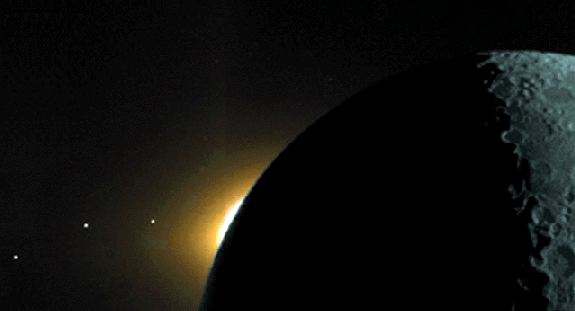
21/09/1996
Comet Hale-Bopp Fades

17/09/1996
The Sun Erupts
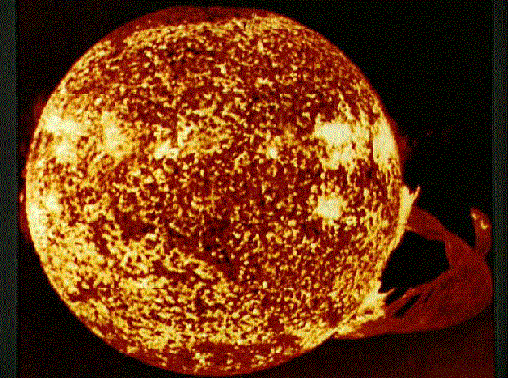
16/09/1996
Kepler Discovers How Planets Move

31/08/1996
Galileo Demonstrates the Telescope

30/08/1996
Welcome to Planet Earth
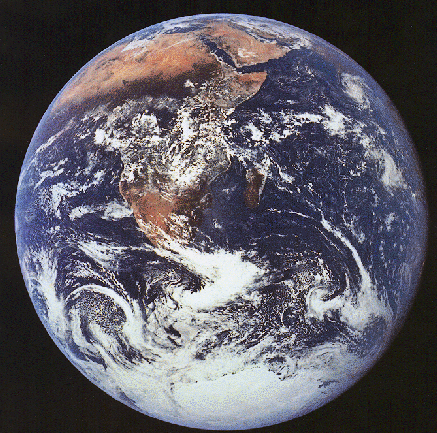
19/08/1996
A Violet Moon
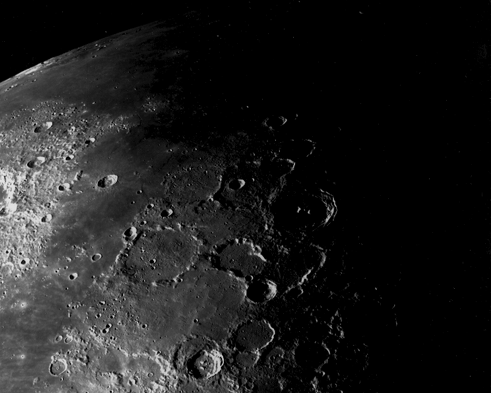
31/07/1996
Driving to the Sun
27/07/1996
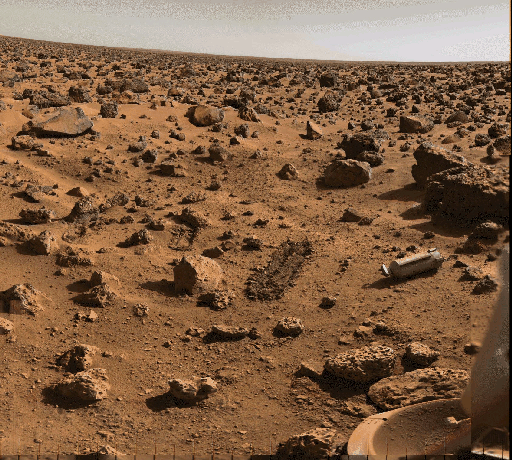
Utopia on Mars
22/07/1996
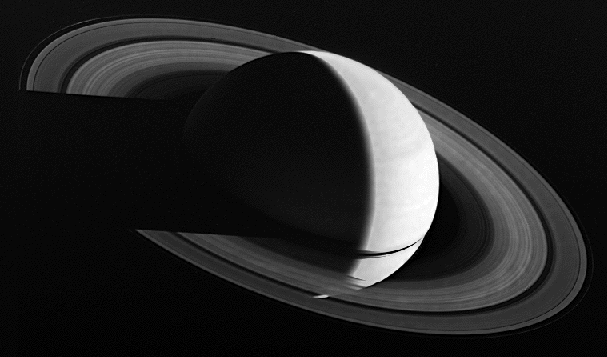
Looking Down on Saturn
17/07/1996
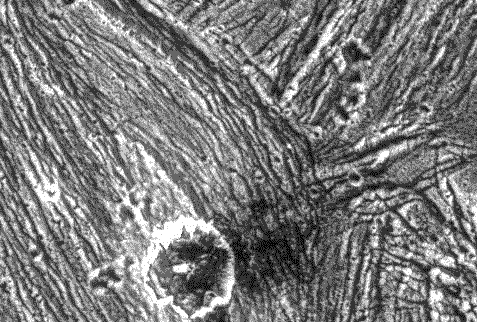
Ganymede: A Really Groovy Moon
11/07/1996
Superbubbles in the LMC
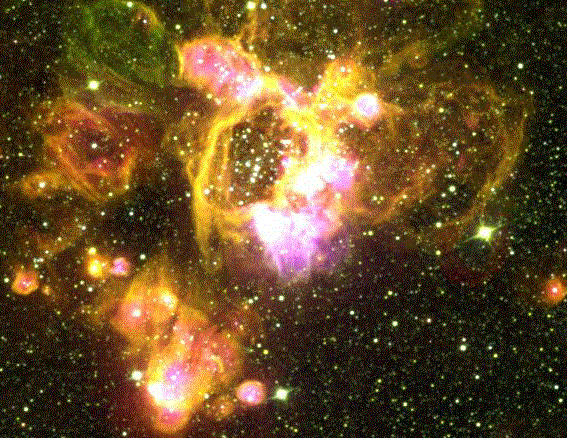
03/07/1996
Greetings from the Pioneers
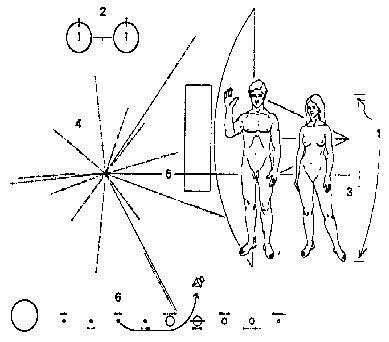
30/06/1996
The Voyagers' Message in a Bottle
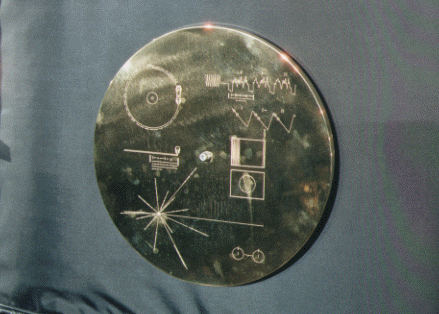
29/06/1996
Apollo Sunrise
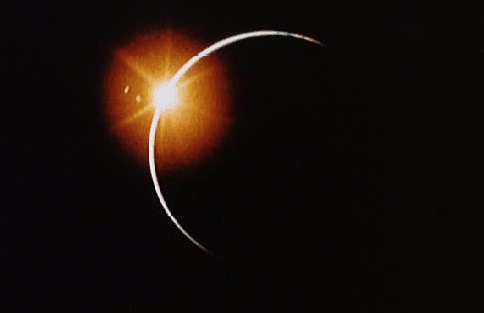
20/06/1996
Ultraviolet Earth
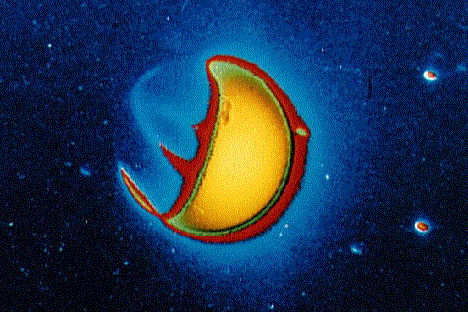
10/06/1996
The Pulsar Powered Crab
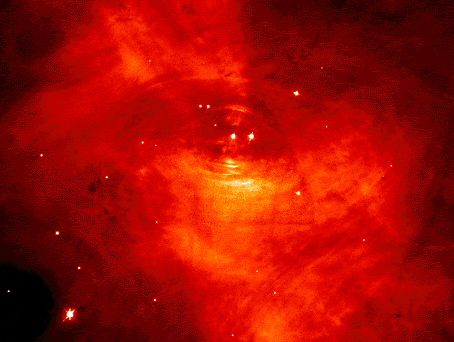
31/05/1996
Sunshine, Earthshine at the Lunar Limb
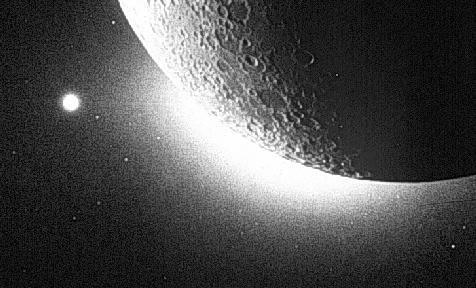
30/05/1996
Aurora Crown the Earth
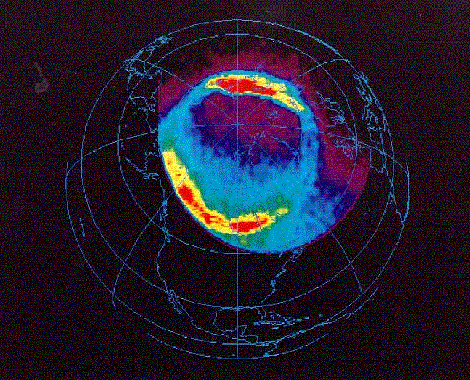
27/05/1996
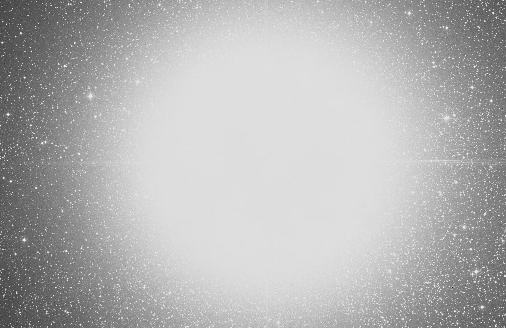
Alpha Centauri: The Closest Star System
26/05/1996
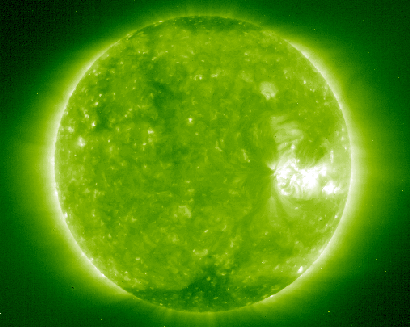
The Iron Sun
21/05/1996
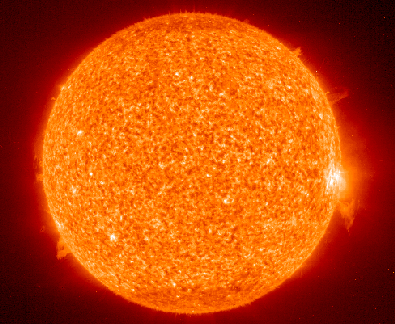
Helios Helium
20/05/1996
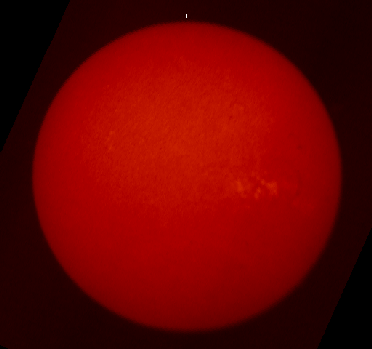
The Sun Today
18/05/1996
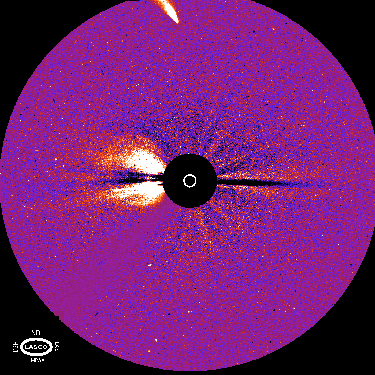
Comet Hyakutake and a Solar Flare
17/05/1996
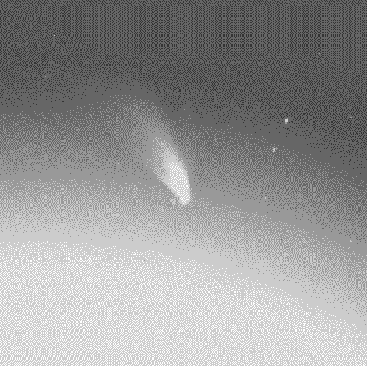
Comet Hyakutake Passes the Sun
16/05/1996
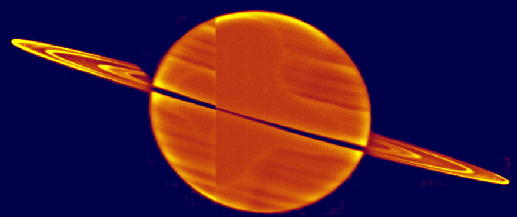
Sunlight Through Saturn's Rings
11/05/1996
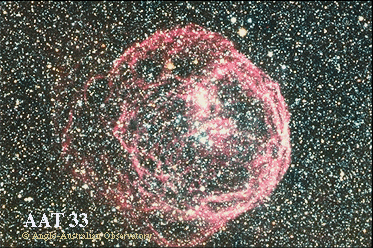
Henize 70: A SuperBubble In The LMC
10/05/1996
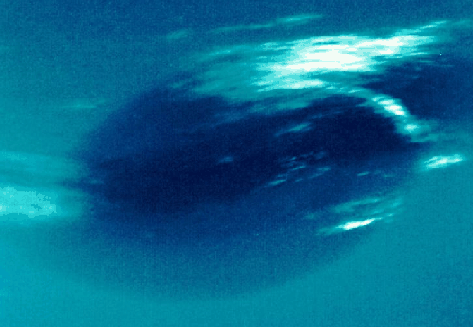
Neptune's Great Dark Spot: Gone But Not Forgotten
08/05/1996
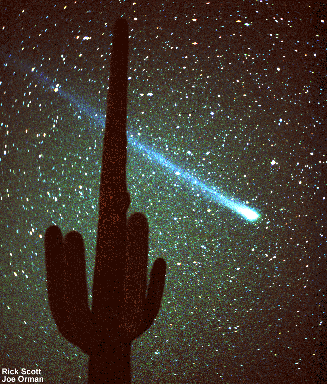
Comet Hyakutake and a Cactus
01/05/1996
The Sun Sets on Comet Hyakutake

28/04/1996